Why Fitness for Gen Z Is Evolving Fast
In an era where a swipe determines a lifestyle and a 30-second reel can teach a full-body workout, it’s no surprise that fitness for Gen Z looks radically different from previous generations. Unlike Millennials and Boomers, who often embraced rigid routines and long gym sessions, Gen Z is redefining what it means to be fit—not just physically, but also emotionally and socially. This evolution is not simply a rebellion against the old but rather a cultural and technological adaptation to a new world that values customization, mental health, and digital fluency.
According to a recent 2025 survey by Statista, 71% of Gen Z individuals prefer workouts they can perform at home, with 68% saying they follow at least one fitness influencer for motivation. The shift isn’t just about convenience—it’s about control. This generation wants their wellness experiences to be inclusive, accessible, and instantly gratifying, matching the pace of the digital content they consume daily.
Another reason for this shift is identity. Fitness for Gen Z is deeply intertwined with self-expression and mental balance. They view fitness less as a chore and more as a lifestyle marker, using platforms like TikTok and Instagram not just to show results, but to document the journey, failures and all. In essence, fitness isn’t just about muscles or endurance—it’s about meaning.
Old-School Gym Culture: Why It Doesn’t Click with Gen Z
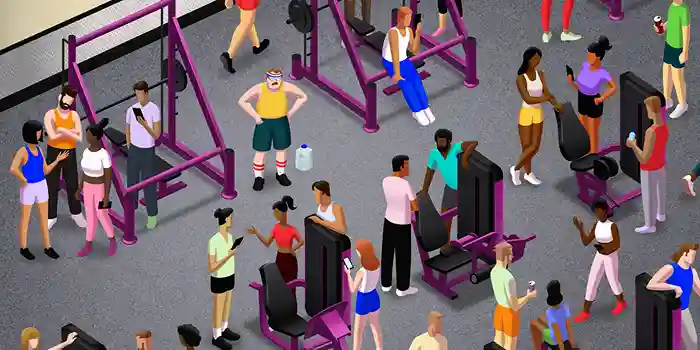
Despite their focus on health and fitness, many Gen Z individuals find traditional gyms not only outdated but also emotionally alienating. From neon-lit bodybuilder posters to intimidating locker rooms, the vibe of old-school gyms doesn’t sync with Gen Z’s value system. This is a generation that prioritizes safe spaces, inclusivity, and non-judgmental environments, and many gyms still fall short in those areas.
The problem begins with the aesthetics. Dark weight rooms, complex machines, and locker room mirrors that feel more critical than motivational can create an atmosphere that feels more like a competition than a community. Gen Z, who grew up in the era of body positivity and mental health awareness, often find these environments toxic or uninviting. They’re looking for places where well-being is holistic, not hyper-masculine or driven solely by appearance.
Another sticking point is routine rigidity. Gen Z is highly experiential and dislikes monotony. Many old gyms operate on repetitive schedules with limited variety in group classes, lacking spontaneity or innovation. This clashes with Gen Z’s desire for dynamic workouts that often blend music, movement, and digital interaction. Traditional gyms are often perceived as slow to innovate, stuck in the “same old machines, same old routines” trap. Learn More
And let’s not forget the intimidation factor. A survey from Mindbody in 2024 revealed that 48% of Gen Z respondents feel uncomfortable asking for help at gyms, fearing they’ll be judged or ignored. That statistic alone highlights why many of them turn to online communities, influencers, and apps instead.
What Gen Z Wants: Digital, Social, and Mental Wellness
Gen Z doesn’t just want to sweat—they want their workouts to connect with their values, identity, and tech-savvy lifestyle. The modern fitness space they crave is less about treadmills and more about tailored experiences. This generation grew up with smartphones in their hands and mental health campaigns on their feeds, so their expectations naturally reflect this dual influence.
Here’s what Gen Z demands from their fitness routines:
- Customization: They want AI-based fitness apps like Centr, Fitbod, or Freeletics that design workouts around their preferences, moods, and goals.
- Community Integration: Gen Z thrives on social interaction, but they prefer digital-first communities. Apps that offer in-app forums, group challenges, or Instagram-based accountability circles perform extremely well.
- Mental Health Alignment: Fitness for Gen Z is incomplete without mindfulness. Many want yoga, breathwork, or emotional check-ins built into their fitness plans.
- Eco-Consciousness: Gyms and fitness brands that are eco-friendly—offering sustainable mats, reducing water waste, or partnering with climate-conscious brands—earn higher trust.
Let’s look at a side-by-side comparison of what Gen Z prefers vs. what traditional gyms offer:
| Gen Z Preference | Traditional Gym Approach |
| App-based AI workouts | Fixed in-person training plans |
| Inclusive fitness classes | Gendered weight training spaces |
| Mindfulness integration | Performance-based structure only |
| Digital social motivation | Solo workouts with little guidance |
| Aesthetic, Instagram-ready | Functional but outdated interiors |
In summary, Gen Z isn’t lazy or disinterested—they’re selectively engaged, seeking out experiences that reflect their values and offer more than just calories burned.
TikTok Trends, AI Apps, and Virtual Trainers
Fitness trends have always evolved, but with Gen Z, the pace of change is hyper-accelerated. TikTok, for instance, has played a massive role in reshaping how this generation views and practices fitness. One look at the platform’s “#FitnessTok” reveals short videos teaching 5-minute ab workouts, mobility drills, or meal-prep hacks that rack up millions of views in days.
Consider Chloe Ting, whose viral 2-week shred program gained massive traction during the pandemic. While fitness professionals questioned her credentials, Gen Z embraced her because of her relatable tone, free access, and visual results. Similarly, creators like @itsjojosiwa and @demibagby blend gymnastics, humor, and daily routines, making fitness feel entertaining instead of intimidating.
Meanwhile, AI fitness apps are pushing old-school personal trainers to the sidelines. Apps like Fiture and Aaptiv use real-time feedback, gamified goals, and even voice coaching to give users a sense of virtual companionship and adaptive coaching—which Gen Z highly values.
And don’t overlook virtual trainers in the metaverse. Platforms like FitXR offer immersive workouts in VR, where users can box, dance, or meditate in surreal 3D environments. For a generation raised on gaming, this is the ideal blend of fitness and fun. A compelling case is Peloton’s Gen Z shift. While originally targeted at high-income Millennials, Peloton has now added mood-based music rides, anime-themed workouts, and short sessions based on user surveys—directly targeting Gen Z’s fragmented attention span.
Fitness FOMO: How Social Media Shapes Gen Z’s Workout Habits
The impact of social media on Gen Z’s fitness behavior cannot be overstated. This generation isn’t just watching fitness content—they’re actively shaping it. From TikTok dance workouts to Instagram “day in the life” reels that include morning jogs and smoothie bowls, fitness is no longer a private pursuit. Instead, it’s a performative and communal experience, where likes, views, and engagement offer instant validation. This social aspect often fills the motivational gaps that traditional gyms fail to address.
Unlike older generations who might journal their reps and calories, Gen Z tracks their progress visually and socially. Progress pictures, app screenshots, or “before-after” carousel posts are common ways they stay accountable—not to a trainer, but to their followers. Fitness becomes a shared narrative, not just a solitary discipline. Unfortunately, this also introduces the danger of “Fitness FOMO” (fear of missing out), where not keeping up with viral trends or influencer standards causes anxiety rather than inspiration.
Still, many platforms are becoming aware of this mental pressure and shifting the tone. Influencers are now incorporating “realistic fitness” trends, promoting body neutrality over body perfection. Gen Z is quick to unfollow toxic narratives and call out unrealistic ideals. Brands and creators that emphasize sustainable, joyful movement over obsession with aesthetics are being rewarded with loyal followings. This proves that authenticity always wins—especially in Gen Z’s digitally savvy world.
Mental Health Meets Muscle: Emotional Fitness Is the New Normal
Gone are the days when exercise was seen as separate from mental health. For Gen Z, fitness must cater to emotional well-being as much as physical goals. Whether it’s doing a 10-minute stretching session to relieve anxiety or combining journaling with post-run cool-downs, Gen Z doesn’t separate the mind and body. They want their fitness plans to help them feel more emotionally grounded, not just look better.
This integration has birthed a range of hybrid programs that include meditation, emotional journaling, and stress relief routines. Platforms like Calm, Headspace, and Nike Training Club are now embedding mental health reminders and mindfulness content directly into their workout interfaces. For example, users might be encouraged to check in with how they feel before starting a workout—and modify the routine if they’re anxious or emotionally drained. This kind of emotional responsiveness is what Gen Z respects and demands.
Even gym environments are evolving. Some boutique fitness centers are hiring in-house mental health coaches, offering guided breathing sessions after high-intensity classes, or even placing emotional well-being boards where members can anonymously write how they feel. This shift demonstrates that Gen Z’s approach to fitness isn’t just progressive—it’s revolutionary, placing emotional safety and inclusivity at the core of physical activity.
Career-Driven Fitness: How Gen Z Balances Hustle with Health
Unlike previous generations, Gen Z is entering the workforce in a high-stress, hyper-digital environment. With freelance gigs, content creation jobs, and side hustles booming, traditional gym hours and schedules simply don’t align with their lifestyle. They need flexible, on-demand fitness that fits into unconventional hours and keeps pace with their multitasking routines. That’s why fitness has become more modular, with micro workouts, desk yoga, and lunch-hour HIIT sessions becoming the norm.
Interestingly, Gen Z isn’t obsessed with “working out hard” every single day. Instead, they prioritize consistency, recovery, and efficiency. Many prefer a 20-minute guided stretch on a busy day over a 90-minute gym grind that derails their schedule. Fitness apps that cater to this mentality—offering fast, effective routines that boost energy—are skyrocketing in popularity. These quick wins help them stay focused and productive at work without the guilt of skipping an intense session.
Moreover, companies that care about employee wellness are gaining Gen Z loyalty. A 2025 Glassdoor survey found that 72% of Gen Z job seekers would choose a company that offers digital wellness perks over one with just a fancy gym pass. Mental health days, fitness reimbursements, and access to virtual trainers are becoming essential hiring perks, not fringe benefits. In this way, fitness becomes more than a hobby for Gen Z—it becomes a career support tool, keeping them resilient in a chaotic world.
New-Age Fitness: The Future of Workouts for Gen Z
With Gen Z leading the charge, fitness is undergoing a revolution that is both high-tech and high-touch. The gym of the future isn’t necessarily a building—it might be an app, a digital world, or a wearable. As wearable fitness devices like the Oura Ring, Whoop, and Apple Watch Ultra become more advanced, they’re creating real-time biofeedback loops that encourage micro-goal setting and adaptive behavior.
We’re already seeing the rise of hybrid fitness spaces—studios that offer in-person classes streamed on-demand, AI-driven mirrors like Mirror and Tonal, and even subscription-based micro-gyms that you can rent by the hour. These modular experiences cater to Gen Z’s love of flexibility and independence.
Brands are also tapping into emotional wellness, partnering with psychologists to build mood-based fitness challenges. Platforms such as Alo Moves and Headspace Health have merged yoga, therapy, and HIIT into holistic programs that cater to mental and physical health simultaneously. Gen Z isn’t killing fitness—they’re reinventing it to suit their fast-paced, emotionally intelligent, and socially connected world.
Fazit: Fitness Isn’t Dying—It’s Rebranding for Gen Z
The conclusion is clear: fitness for Gen Z is not just another wellness trend—it’s a culture shift. This generation demands personalization, social connection, digital integration, and emotional support. Old-school gyms are not inherently flawed, but their refusal to adapt risks alienating an entire generation.
If fitness centers, personal trainers, and even equipment brands want to stay relevant, they must listen to Gen Z—on TikTok, in forums, in app feedback—and innovate accordingly. Because Gen Z won’t settle for fitness that doesn’t reflect who they are. They want it smart. They want it social. And most importantly, they want it meaningful.
FAQs: Fitness for Gen Z
Q1. Why doesn’t Gen Z like traditional gyms?
They often find them intimidating, outdated, and lacking in mental wellness integration or digital innovation.
Q2. What kind of workouts does Gen Z prefer?
They lean toward short, dynamic workouts via mobile apps, TikTok trends, and gamified platforms with social features.
Q3. Are fitness influencers really trusted by Gen Z?
Yes, Gen Z follows influencers for authenticity and relatability, not necessarily for credentials.
Q4. What’s the future of fitness for Gen Z?
Expect a rise in AI coaches, VR workouts, emotional wellness integration, and eco-conscious fitness spaces.